by Danya Karina Albright
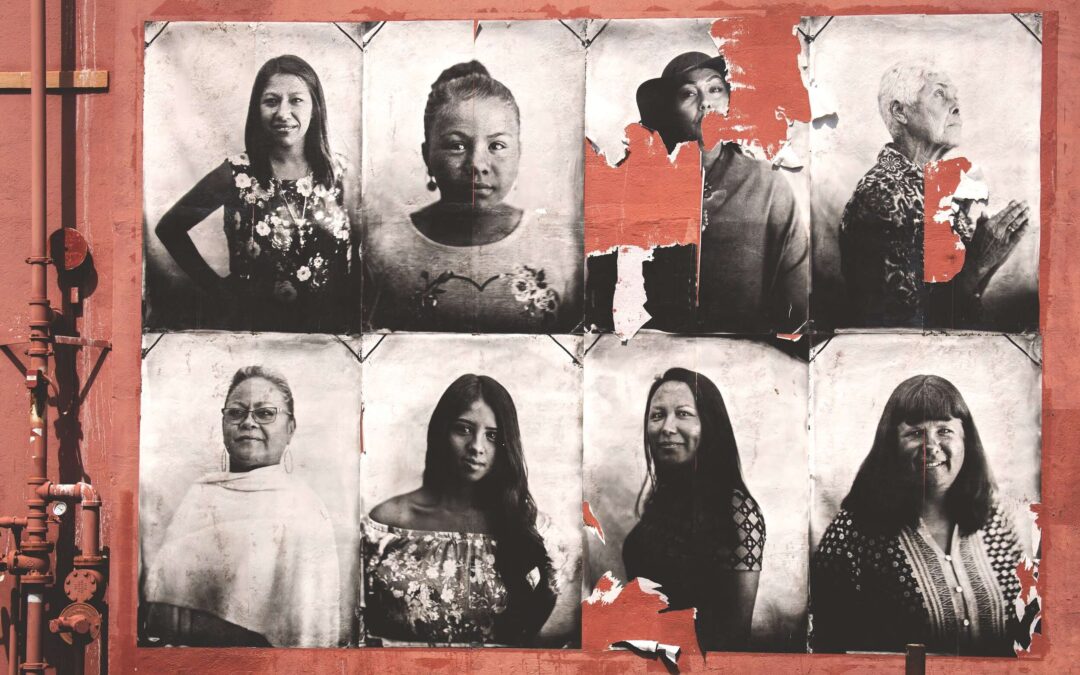
In part one of this series, we looked at the history and the meaning of the terms Hispanic, Latino, and Afro-Latino to depict the diversity of Hispanic and Latino minorities in America. We concluded that properly recognizing Hispanics and Latinos as not being “white”...
by Alejandra Hargrave
I was born in El Salvador to an American father and a Salvadoran mother. I grew up aware of racial differences from a very young age because I recognized race affected how people treated my family and me. People would assume that my sister and I are not fully related...
by Danya Karina Albright
Christians are having more frequent conversations about race and racism. But when we talk about race, it is usually about black and white. Hispanic brothers and sisters often feel their struggle is overlooked. For instance, we seldom see or read news reports about a...
by Austin Suter
Editor’s note on Word Study: White Supremacy — part of what makes conversations about race so difficult is that we seem to talk past each other. This series explores ways important words are used and provides biblical categories for the ideas behind them. Our goal is...
by Courtney Reissig
We Weep For What We Do Not Know. A decade ago I lost our first baby. It was devastating. But the devastation was made worse by the fact that I couldn’t get pregnant again. For two years we waited for God to open my womb, hoping that, when he did, we would hold a baby...
by Rayshawn Graves
I don’t remember all the specifics about my first experience When I Recognized Race, but I remember the effect that it had on my young soul. I was a first-grader in a majority white elementary school, and my experience happened during Black History Month. Now, I don’t...